
Generation Lobster: The women and workforce behind the Maine Lobster Festival
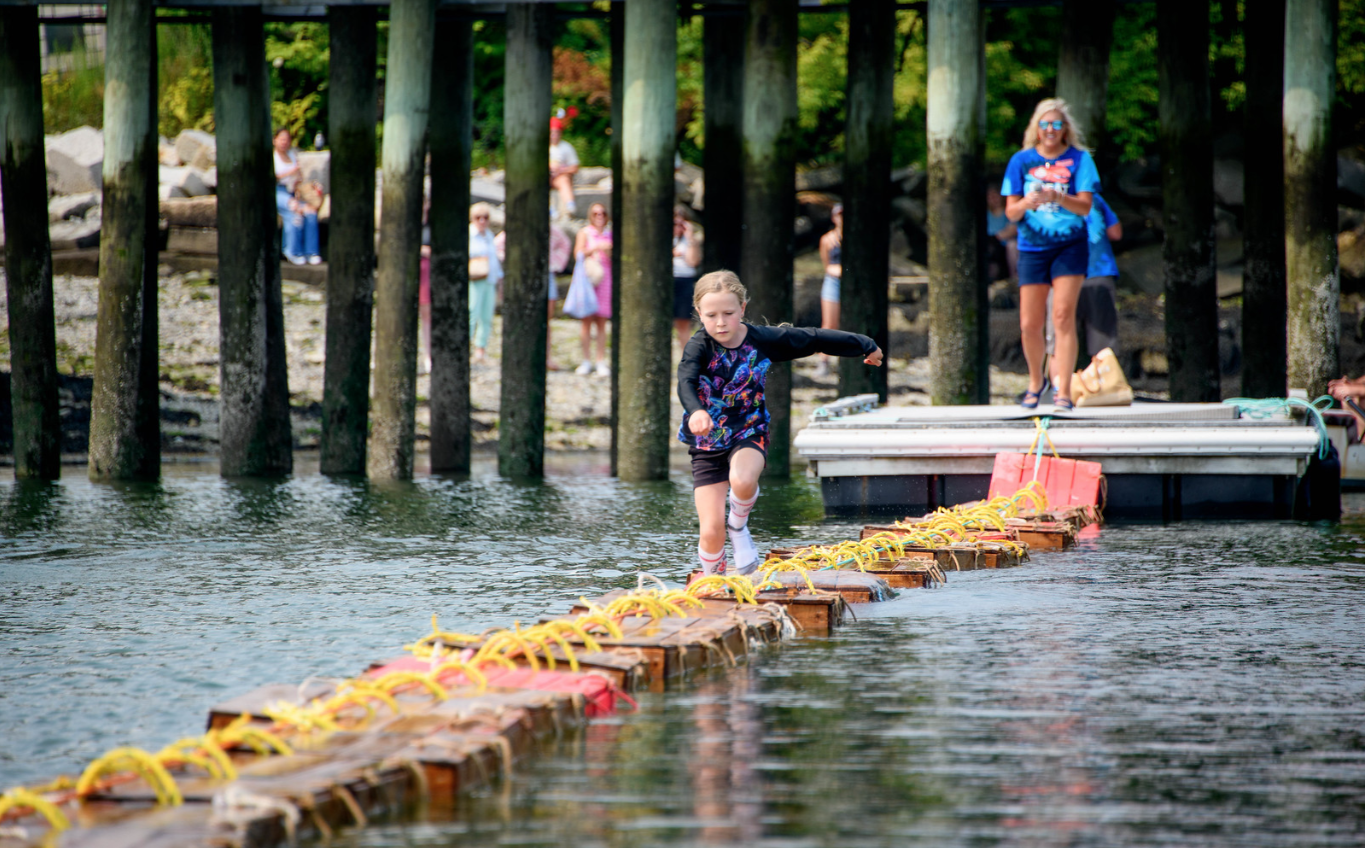
Photo courtesy of Maine Lobster Festival
Co-written with Debbie Kane
Celia Crie Knight may as well have been born to work for the Maine Lobster Festival. The current president of one of Maine's largest cultural events has been involved since her earliest memory.
"I'm 60 years old, and I've never missed a festival," she said. "I would say I was literally volunteering from 4 years old on."

Knight is the daughter of Alice Knight, a woman who had been involved with the festival since 1948. She followed in her mother's footsteps in that both started as volunteers and ended up as presidents of the festival. According to Knight, the event was more than just a fun week.
"This is like my family’s Christmas," she said.
Knight recounted that her mother was one of the original pioneers for bringing new talent to the forefront of the event. A Rockland native, Alice was a home economics teacher who recognized an opportunity for local artists to be showcased on a large scale.
"She was the person who created and brought the Maine arts and crafts tent," Knight said. "They had never had specifically Maine crafters selling their wares at the festivals."
But it wasn't all arts and crafts for young Celia. She recalled being put to work on any task that even a small child could accomplish, including cooking for the pancake breakfast and lugging gear for set-up every morning.
Once, she even contributed to the festival's parade by steering one of the live animal attractions.
"I'm literally, like, 5 years old, and nobody is near me [while I'm] on the elephant," Knight said. "Because someone said, 'We need to ride the elephant.' So my mother said, 'Put her on!'."
Though Knight has become the festival's president, she still does the "grunt" work required for the festival.
"We would go down early in the morning," she said, "and, if you saw seagulls had got into a trash can and there was trash all over the ground, we were there to pick it up. I still do that frequently."
Over its 79-year existence, the festival attracts thousands of volunteers each year. Some of those include tourists who come to Maine not to spend time in beach chairs, but to strap on their work boots to keep the event alive.
"We have people who take their vacation time to volunteer at the Festival, not just sightsee or visit," Knight said. "They come to work because it's fun!"
But it's not just locals and tourists who volunteer. The Maine Lobster Festival also enlists the state's incarcerated population, who, despite serving time, still want to contribute to Maine's economic success.
"We could not run the festival without the inmates from the Bolduc Correctional Facility in Warren, Maine," said Knight. "A lot of them come back after they've gotten out of prison because they enjoyed it so much, and they felt so much value."
Since Knight became president, she has brought a lot of new events to the festival, including a dog show that showcases furry friends in their best costumes outside of Halloween.
"The first annual dog show was last year, and we had over 50 people — 50 dogs and handlers — in it," she said. "This year, the registrations for it sold out almost immediately."
Another addition to the festival is the Great Crate Race, which is stewarded by their director of marketing, Shannon Kinney. Kinney was also no stranger to the Maine Lobster Festival, having participated when she was young.
"When I was a teenager, I used to volunteer and work in the food tent at the Maine Lobster Festival," she said. "And I just love the energy of all of these, like, happy people that were coming to visit."
Unbeknownst to Kinney, she became one of the earliest contestants for the Maine Lobster Festival's signature event.
"It was Bill and his then-wife Diane Atwood that put a bunch of us kids out in the harbor and tried all these different methodologies to see if we could run on the crates," she said. "It was just really for fun at first, but then we really learned like ways to make it a real competition."
The Great Crate Race has been one of the festival's biggest attractions, bringing attention from local and national news outlets, including ESPN. The competition tests the speed and stamina of racers as they run across 50 lobster crates without falling into the harbor underneath.
Each crate has hundreds of pounds of seaweed inside to help the crates float, but as each contestant's weight varies, the crates start to sink and create a test of balance and equilibrium.
"We have thousands of people that line up and watch this event every year," Kinney said. "And it's just great watching people, like, run and run...and then fall."
Many events around Maine have adopted this concept, but Kinney said that the Maine Lobster Festival still uses lobster crates that pay tribute to the state's fishing legacy.
"We're the only one with the original wooden crates, which is how lobsters used to be transported," she said. "Now, they're done in much lighter-weight plastic crates, but we've got the originals."
In recent years, Kinney hasn't run the event alone. She's enlisted the help of her daughter, Rachel, who started volunteering when she was 5 years old. Given that Knight started volunteering around the same age, this might be a rite of passage for Maine women becoming involved in the endurance of the festival.
"I'm hoping she'll take it on when I'm done," Kinney said.
The Maine Lobster Festival takes place from July 29 to Aug. 2 in Rockland.