
Why Maine is Synonymous with Lobster
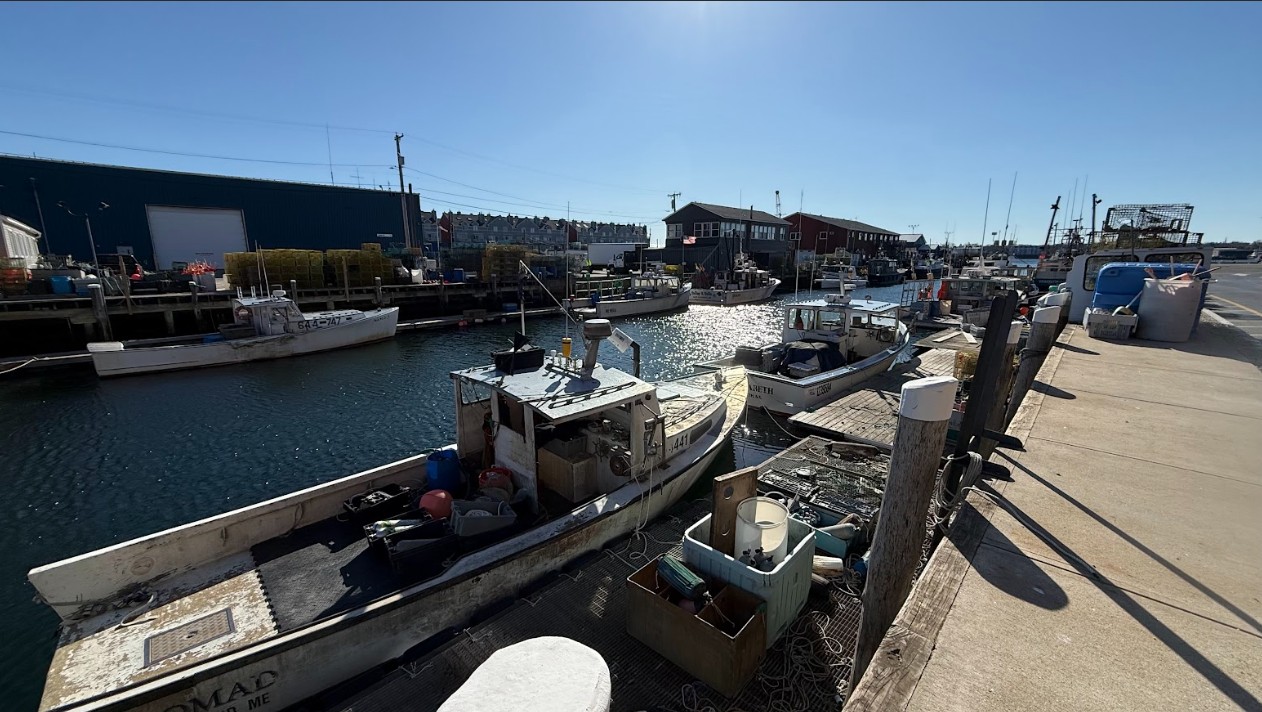
It’s impossible to escape. If you’re driving north on I-95 and you cross the Piscataqua River Bridge into Maine, the first thing you’ll see is a lobster painted on a water tank. That’s before you even see the state welcome sign.
But whether you eat shellfish or not, you may be curious about Maine’s association with lobster. Why is it so deeply ingrained in our culture?
Here are a few historical anecdotes about why the crustacean is so closely associated with the Pine Tree State.
Lobster’s Native Roots

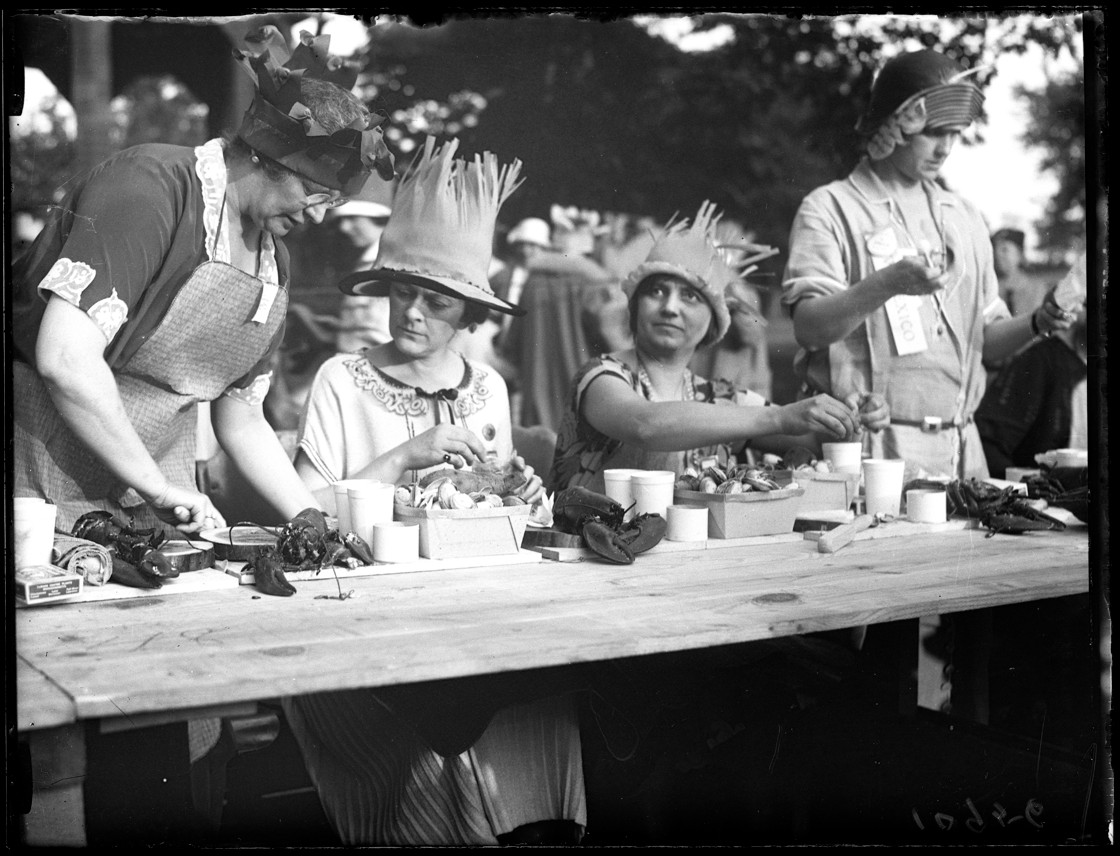
Collections of Maine Historical Society/MaineToday Media, MaineMemory.net #104821
Before English settlers came to what is now called the United States, the Native American tribes of the Wabanaki Confederacy harvested lobster from the many tidal pools near the coastline. They used lobster to bait their fishing equipment, fertilized their fields with the shells, and ate whatever was left over.
Eventually, as English settlers came to Maine, they saw lobsters in abundance. Recognizing that the crustaceans were a quick source of protein, settlers began harvesting and serving lobster to their communities. Because of its accessibility, it was considered “poor people’s food" and given to prisoners and indentured servants.
The Industry Grows
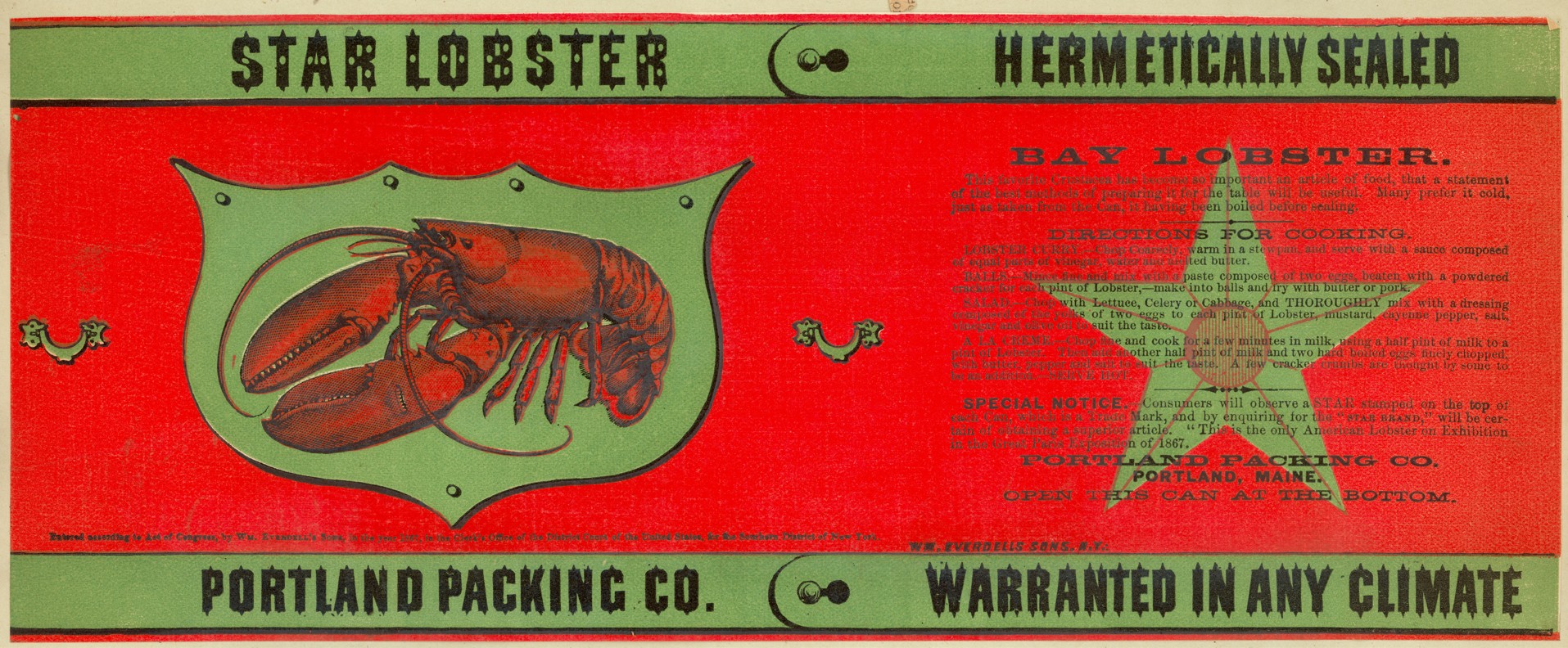
Collections of Maine Historical Society, MaineMemory.net #4149
Maine pioneered a lot of industry standards in subsequent centuries. In the mid-1800s, “smacks” (boats with tanks that allowed seawater to circulate inside them) were being used to transport live lobsters across longer distances so they could be exported to cities down the coast, like Boston and New York.
The 19th century was also a time when canning became a popular form of food preservation. The canning industry was peaking in popularity in the post-war United States. Maine built canneries, enabling the preservation and transport of lobster across the country. As public taste for lobster grew, so did the fishing industry in Maine. Soon after, lobstermen started using wooden traps and smaller boats to amass large quantities of the crustacean. But once the reputation of the lobster started improving, and the demand increased around the country, some unwanted consequences began to tail the industry.
The Lobster Industry Boils Over
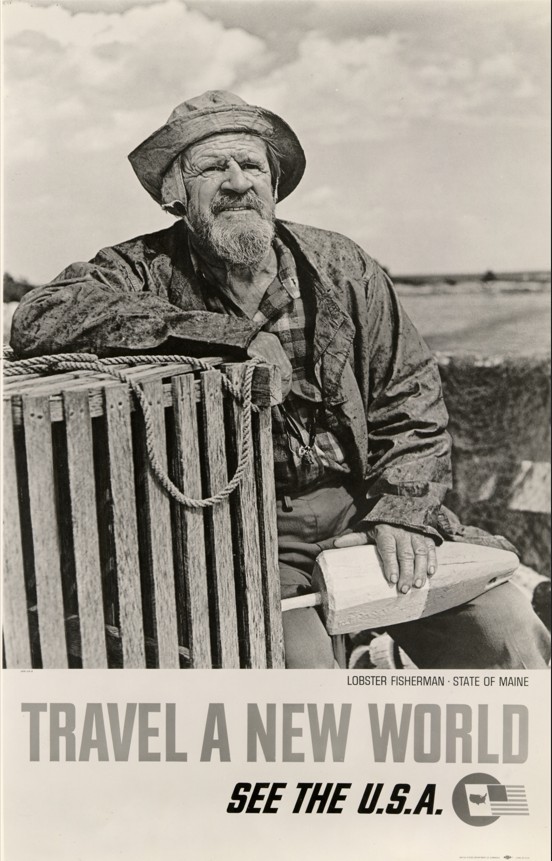
Collections of Maine Historical Society, MaineMemory.net #20793
Maine was a great environment for lobsters. Its waters were cold, clean, oxygen-rich, and rocky, providing lobsters with a safe, sustainable habitat. Unfortunately, that began to change when the number of fishermen started outpacing the lobster population. Due to an overwhelming culture of overfishing, Maine enacted three crucial laws; they banned out-of-state fishermen, outlawed the harvesting of females bearing eggs, and set limitations on the size of lobsters that could be caught.
These sustainability measures allowed lobsters to repopulate in more manageable waves, but they also ensured that the people of Maine could lay claim to an industry that was unique to their expansive shorelines.
Modern Lobstering
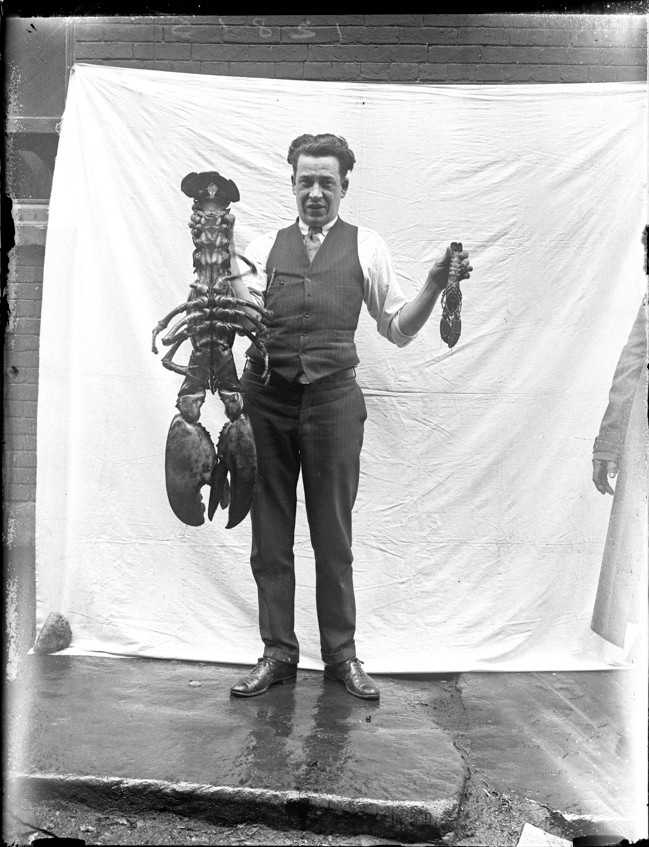
Collections of Maine Historical Society/Maine Today Media, MaineMemory.net #103005
Advancements in transportation allowed for fresh, live lobsters to travel farther than ever before. With the growing railroad system, lobsters could be distributed more quickly to states around the country. Since lobsters don’t spoil while they’re alive, and can live a long time without food, they could survive long trips across the United States. Soon, technological advances like air travel, modern refrigeration, and lobster tanks made it easier to ship them around the world, making it an increasingly common commodity outside of the United States.
Today, lobster can be found all over Maine. They’re not just advertised on menus and sandwich boards, but the red-colored silhouettes are seen in paintings, on clothing, in craft beer recipes, and far more. Maine pioneered the lobstering industry, but more importantly, it sustained itself by adapting to the changing times. Like the molting process, when lobsters shed their hard shells and develop something new, the industry continues to evolve while staying pure at its core.
Sources:
“The story of how lobster became the symbol of Maine" - Portland Press Herald
“A Guide to Lobstering" - State of Maine, Department of Marine Sciences
“History of Maine Lobster" - Maine Lobster Festival
“The History of the Maine Lobster Industry" - Harbor Fish Market
“A Taste of Lobster History" - Maine Lobster Now
“History" - The Maine Lobster Marketing Collaborative